










Ramadhan 2026
From: £1.00 — available on subscription
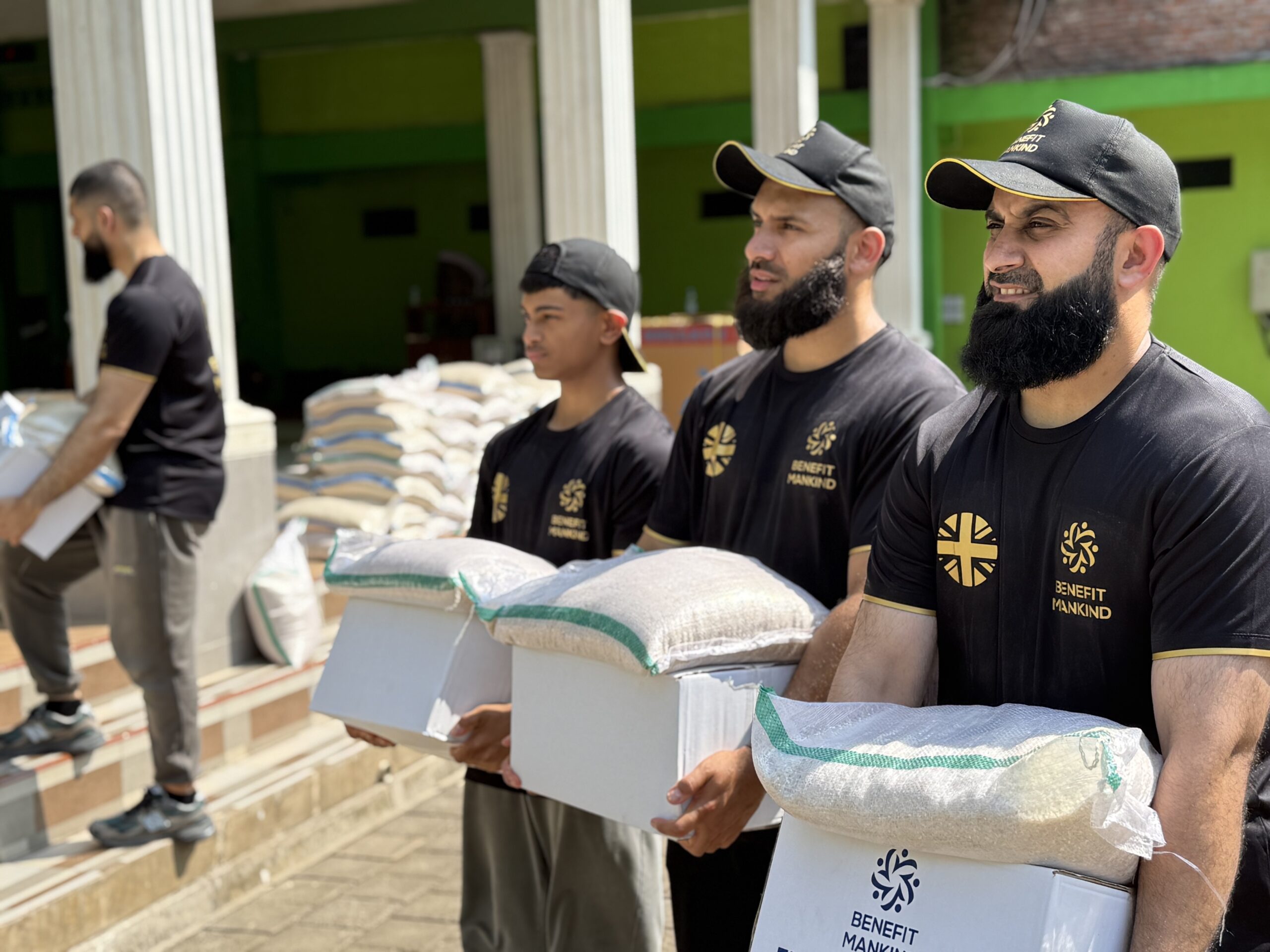
This Ramadhan, Benefit Mankind is working to fight hunger, and the causes of hunger in over 20 countries. We’re there, in these countries enduring malnutrition, drought, displacement due to war, helping families in their most vulnerable time of need. Our Ramadhan projects combat drought, health crises and water contamination, and also boost livelihoods, supporting orphans, empowerment, protecting the vulnerable, and making education more accessible.
“Ramadhan has come to you. (It is) a month of blessing, in which Allah SWT covers you with blessing, for He sends down Mercy, decreases sins and answers prayers. In it, Allah SWT looks at your competition (in good deeds), and boasts about you to His angels. So show Allah SWT goodness from yourselves, for the unfortunate one is he who is deprived in (this month) of the mercy of Allah SWT, the Mighty, the Exalted.” (Tabarani)
Most Needy
Your £100 donation towards the global emergency aid will be allocated to projects Benefit Mankind deems to be the most needy at any given time. It also allows us to respond swiftly and effectively in emergency situations. Donating to this category is the preferred method for many people as their charity is discharged to the most needy beneficiaries.
Food Aid
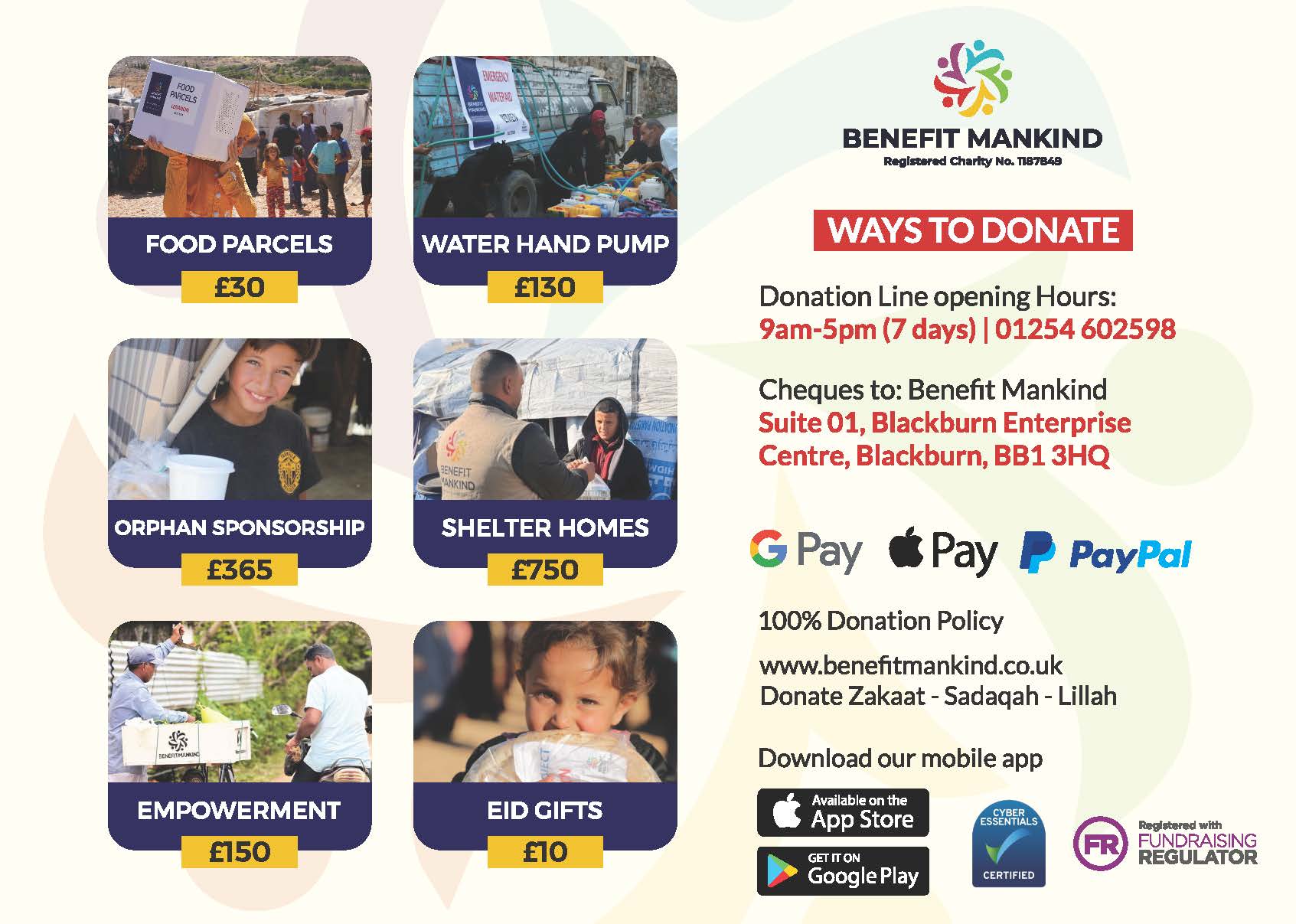
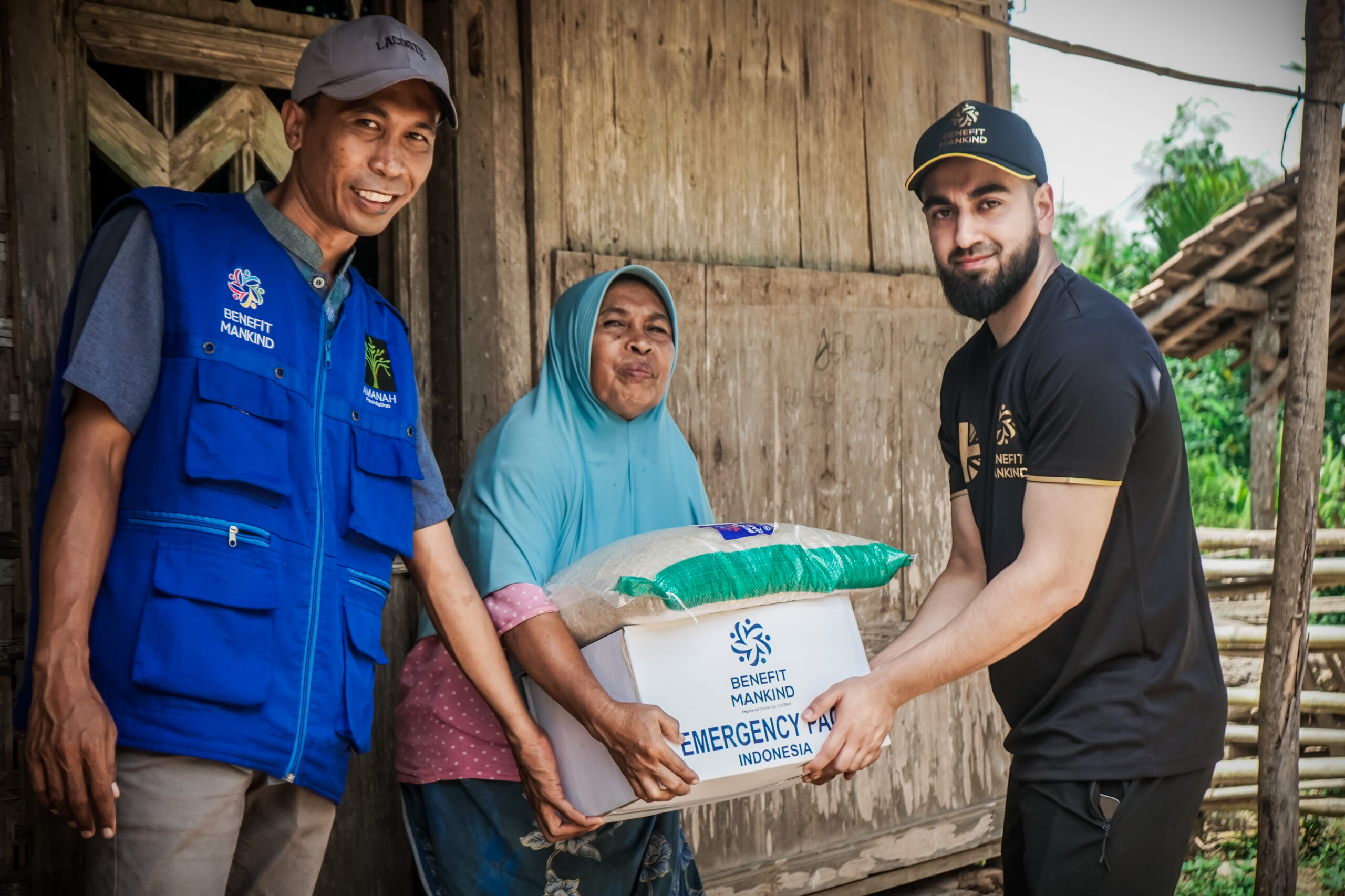
20 countries have been identified for this Ramadhan’s Suhoor and Iftar packages, the families will receive their food parcels 7 days before Ramadhan IA. As Benefit Mankind will be sending to families in advance, the food aid option will only be available till 10th of Ramadhan. Food parcels will be £30 each and each country parcel will vary according to their diet and needs.
Water Sanitation
Water projects start from £130, for any water project excluding Yemen you will receive a personalised feedback report within 6 months of your donation IA. More water project options are available at www.benefitmankind.co.uk/water
Orphan Sponsorship
This Ramadhan we have increased our orphan sponsorship program to 6 countries, just for £365 per child, so for a £1 a day you are sponsoring a child and providing education, medical aid, shelter, food aid and most importantly love and care. To sponsor a child visit www.benefitmankind.co.uk/orphans – This option will be available till end of March 2025.
Empowerment
Explore all our sustainable, transformative projects below, and reap the bountiful mercy, blessings and forgiveness of Ramadhan. Empowerment projects you donate towards will be delivered in Indonesia, Jordan, Sri Lanka, and many other countries.
Shelter Projects
This year with your support, we intend to build homes in Indonesia and Pakistan. If you donate a full home, you will receive personalised feedback within 10 months from all countries, it is important to leave a personalised message for the plaques when donating. More home options available at www.benefitmankind.co.uk/shelter
Orphan Gifts
Help us deliver gifts to orphans this Eid, £10 will provide priceless smiles and happiness to these beautiful children. Feedback will be provided often on our LIVE feedback page.
Fidyah – £5 Fidyah for each missed fast*
Kaffarah – £5 per person x 60 fasts = £300*
Fitrana – £5 per person*
*Kindly consult your local scholar as prices may vary depending on your school of thought
Fidyah
What is fidyah? When someone cannot fast in Ramadan and can’t make up the lost days afterwards, then they should pay (fidyah) for someone else to be fed.
(Contact your local Scholar for more details)
How much do I need to pay?
£5 fidyah for each missed fast. This should provide one person with two meals or two people with one meal. However, if someone misses all the fasts of Ramadan, they will need to pay £150.
Kaffarah
What is kaffarah? Kaffarah is the compensation that you must pay if you break a fast in the month of Ramadan without a valid reason.
(Contact your local Scholar for more details)
What is the required payment for Kaffarah?
To atone for the intentionally broken fast, a person must fast continuously for 60 days. If they are unable to do that, then they have to feed 60 poor people at a rate of £5 per person (the cost of an average meal in the UK). Therefore, this amounts to £300 kaffarah for each missed/intentionally broken fast.
Fitrana
Fitrana (Zakat ul Fitr) must be paid within the month of Ramadan. The latest it can be paid is before the Eid prayer begins so that those in need can benefit in time for Eid.
How much to pay for Fitrana?
£5 per person in the household.
DETAILED FAQ
What is Fidyah?
Fidyah is a religious donation to help those in need. It is only paid when someone is unable to fast during Ramadan due to medical conditions / pregnancy or any other valid reasons such as a prolonged illness and will therefore not be able to make up for the fast. In Ramadan, the Fidyah must be paid for each fast missed
When to pay Fidyah?
Giving Fidya is only allowed once the month of Ramadhan begins, Giving before Ramadhan will not count.
(Contact your local Scholar for more details)
How much is Fidyah for Ramadhan 2026?
The fidyah amount to be paid for each missed fast is £5. Therefore, if you are unable to fast for the full duration of Ramadan, then the total fidyah you must pay is [30 x £5]. If Ramadan is 30 days, then the full fidyah due would be £150. However kindly consult your local scholar as prices may vary depending on your school of thought.
Is Fidyah Important?
Fasting during Ramadan is an obligation on all able Muslims and is one of the Five Pillars of Islam. Muslims must pay kaffarah or fidyah when missing this fundamental aspects of Islam, with a valid reason or not. Charity, as well as compulsory payments like these, emphasise just what an important aspect of Islam the holy month of Ramadan is.
What is Kaffarah?
Kaffarah is paid for fasts intentionally broken in Ramadan, however if you have a valid reason, then you must pay fidyah. The kaffarah penalty is much higher than that of fidyah and should be avoided where possible.
How much is Kaffarah?
To atone for the missed/intentionally broken fast, a person must fast continuously for 60 days. If they are unable to do that, then they have to feed 60 poor people. This amounts to £300 kaffarah for each missed/intentionally broken fast (at a rate of £5 per person – the cost of an average meal in the UK). However kindly consult your local scholar as prices may vary depending on your school of thought.
When to pay Kaffarah?
Kaffarah can be paid at any time throughout the year if an individual has missed any fasts during the holy month of Ramadan unnecessarily. They are required to pay kaffarah which is an obligatory penalty.
Is Kaffarah Important?
Fasting during Ramadan is an obligation on all able Muslims and is one of the Five Pillars of Islam. Muslims must pay kaffarah or fidyah when missing this fundamental aspect of Islam, with a valid reason or not. Charity, as well as compulsory payments like these, emphasise just what an important aspect of Islam the holy month of Ramadan is.
What is Fitrana?
Fitrana (Zakat ul Fitr) is incumbent on every Muslim who possesses one saa’* of food which is not needed as a basic necessity for themselves self or their family for the duration of one day and night.
*The quantity is described the Prophet (SAW) as one saa’ of food. One saa’ is equivalent to four madd. A madd is the amount that can be scooped up when one puts their hands together.
Ibn `Abbas (may Allah be pleased with him) reported: “The Messenger of Allah (peace be upon him) ordained Zakat ul Fitr to purify the fasting person from indecent words or actions, and to provide food for the needy. It is accepted as Zakat for the person who gives it before the Eid prayer; but it is a mere Sadaqah for the one who gives it after the prayer.” [Abu Dawud and Ibn Majah]
How much is Fitrana?
At the time of the Prophet (SAW) Fitrana (Zakat ul Fitr) would be given as one saa’. The quantity is described the Prophet (SAW) as one saa’ of food. One saa’ is equivalent to four madd. A madd is the amount that can be scooped up when one puts their hands together.
If we translate this into a monetary value based on the price of a staple food such as flour or rice, it is approximately £5. Therefore, the amount due for each person is £5. However kindly consult your local scholar as prices may vary depending on your school of thought.
When to pay Fitrana?
Fitrana (Zakat ul Fitr) must be paid within the month of Ramadan. The latest it can be paid is before the Eid prayer begins so that those in need can benefit in time for Eid.
Ibn Abbas RA narrates: “It is accepted as Zakat for the person who gives it before the Eid prayer; but it is a mere Sadaqah for the one who gives it after the prayer.” [Abu Dawud]
Who has to pay Fitrana?
Any Muslim who has food in excess of their needs must pay Zakat ul Fitr (Fitrana). Unlike Zakat, it is a duty on everyone in your household. Therefore, the head of the household, or parents and guardians, can pay on behalf of other members of the family.
Do children have to pay Fitrana?
It is compulsory for every member of a household including children and babies to pay Zakat ul Fitr (Fitrana). However, parents/guardians may pay on behalf of their children/dependents.
Who are the beneficiaries of Fitrana?
The majority of scholars hold the opinion that only the first two categories of the recipients of Zakat can receive Fitrana.
Can I pay Fitrana after Eid?
One of the conditions of Fitrana (Zakat ul Fitr) is that it must be paid before the Eid prayer. If paid after it will be treated as Sadaqah, therefore the reward will be lesser.


