


Mental Health
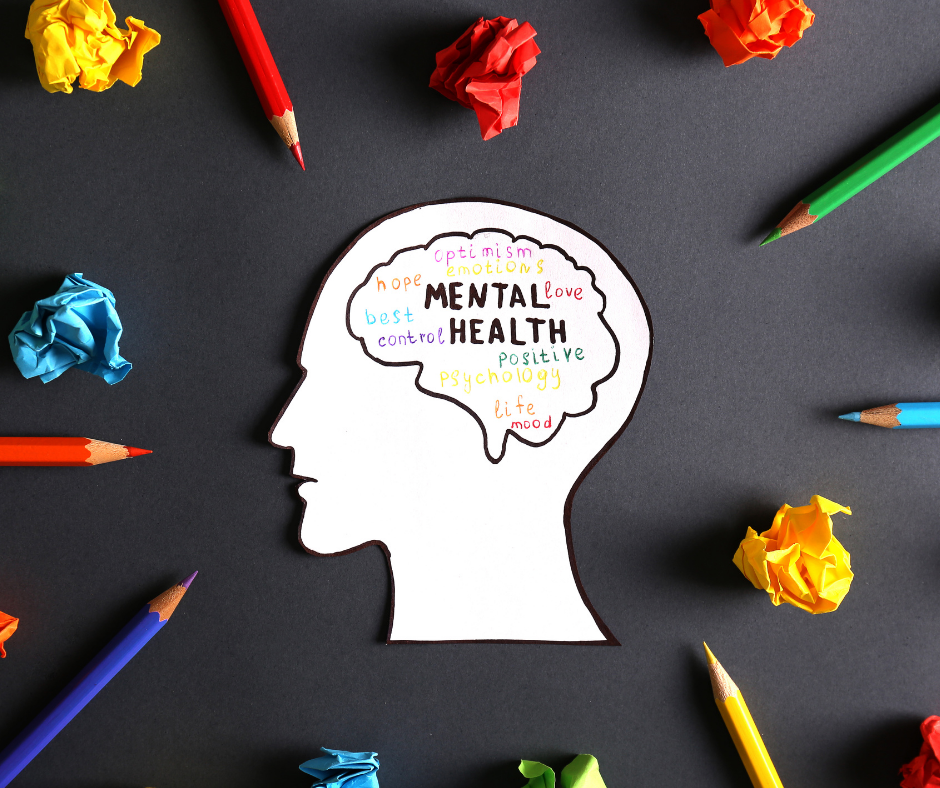
Understanding Mental Health
What is Mental Health?
Mental health refers to our emotional, psychological, and social well-being. It encompasses how we think, feel, and behave, and it influences how we handle stress, relate to others, and make choices. Mental health is essential for coping with life’s challenges, building resilience, and achieving a sense of balance and fulfillment.
Importance of Mental Health
Maintaining good mental health is crucial for overall well-being and quality of life. A healthy mind enables us to:
Cope with Stress: Mental health enables us to effectively cope with stressors, challenges, and setbacks, enhancing our ability to adapt and bounce back from adversity.
Build Resilience: Good mental health fosters resilience, allowing us to navigate life’s ups and downs with strength and perseverance.
Form Positive Relationships: Mental well-being promotes healthy communication, empathy, and understanding in relationships, enhancing social connections and support networks.
Make Informed Choices: A sound mind facilitates clear thinking, rational decision-making, and problem-solving skills, enabling us to make informed choices that align with our values and goals.
Common Mental Health Disorders
1. Anxiety Disorders:
Anxiety disorders involve excessive worry, fear, or nervousness that can interfere with daily functioning. Common types include generalized anxiety disorder (GAD), panic disorder, social anxiety disorder, and specific phobias.
2. Depression:
Depression is a mood disorder characterized by persistent feelings of sadness, hopelessness, and loss of interest or pleasure in activities. It can impact sleep, appetite, energy levels, and overall functioning.
3. Bipolar Disorder:
Bipolar disorder involves alternating periods of mania (elevated mood, increased energy) and depression. It can cause significant shifts in mood, energy, and activity levels.
4. Schizophrenia:
Schizophrenia is a severe mental disorder characterized by disturbances in thinking, emotions, and perceptions, often leading to hallucinations, delusions, and impaired social functioning.
5. Obsessive-Compulsive Disorder (OCD):
OCD is an anxiety disorder characterized by intrusive, repetitive thoughts (obsessions) and the urge to perform ritualistic behaviors (compulsions) to alleviate anxiety or distress.
Strategies for Promoting Mental Health
Self-Care: Prioritise self-care activities that promote relaxation, stress reduction, and emotional well-being, such as exercise, hobbies, and mindfulness practices.
Seek Support: Reach out to friends, family, or mental health professionals for support and guidance during difficult times. Talking about your feelings and experiences can help alleviate distress and foster connection.
Healthy Lifestyle: Maintain a balanced lifestyle by prioritising healthy habits such as regular exercise, nutritious diet, adequate sleep, and avoiding substance abuse.
Set Boundaries: Establish healthy boundaries in relationships and learn to say no to excessive demands or commitments to protect your mental health and well-being.
Mindfulness and Meditation: Practice mindfulness techniques, meditation, or deep breathing exercises to promote relaxation, reduce stress, and enhance self-awareness.
Therapy and Counseling: Consider seeking therapy or counseling from trained professionals to explore and address underlying issues, learn coping skills, and develop strategies for managing mental health conditions.
Conclusion
Prioritising mental health is essential for overall well-being and quality of life. By understanding mental health, recognizing common disorders, and implementing strategies for self-care and support, individuals can cultivate resilience, cope with challenges, and lead fulfilling lives.


