


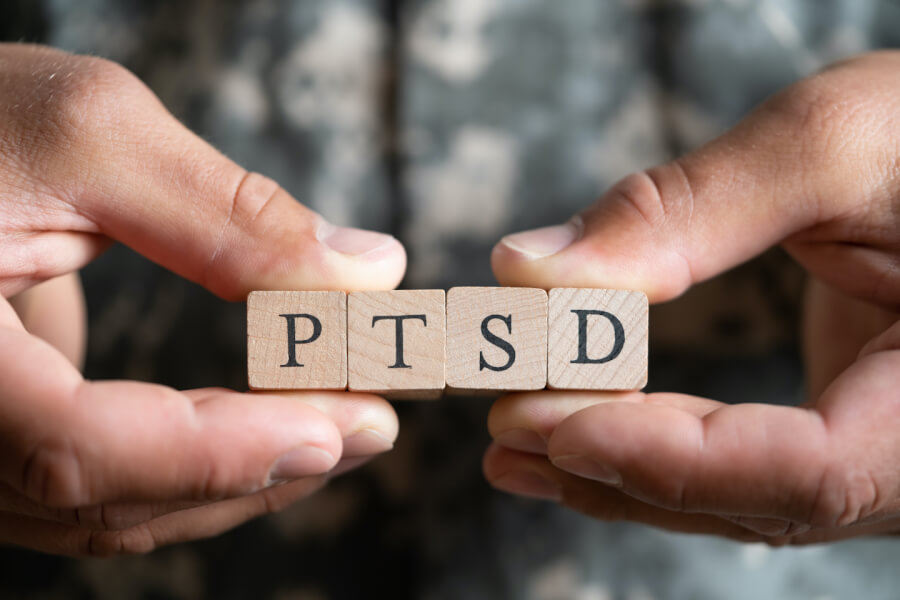
PTSD
Introduction:
Welcome to Benefit Mankind’s PTSD Support page. We understand that living with Post-Traumatic Stress Disorder (PTSD) can be challenging, but you’re not alone. This page aims to provide resources, information, and a supportive community for those affected by PTSD.
What is PTSD?:
Post-Traumatic Stress Disorder (PTSD) is a mental health condition that can develop after experiencing or witnessing a traumatic event. Symptoms may include flashbacks, nightmares, severe anxiety, and uncontrollable thoughts about the event.
Our Mission:
Benefit Mankind are dedicated to providing support, education, and resources to individuals living with PTSD. Our mission is to create a safe and understanding environment where individuals can seek help and support each other on their journey to healing.
Overview – Post-traumatic stress disorder
Post-traumatic stress disorder (PTSD) is a mental health condition caused by very stressful, frightening or distressing events.
Symptoms of post-traumatic stress disorder (PTSD)
Someone with PTSD often relives the traumatic event through nightmares and flashbacks, and may experience feelings of isolation, irritability and guilt.
They may also have problems sleeping, such as insomnia, and find concentrating difficult.
These symptoms are often severe and persistent enough to have a significant impact on the person’s day-to-day life.
Causes of post-traumatic stress disorder (PTSD)
Any situation that a person finds traumatic can cause PTSD.
These can include:
serious road accidents
violent personal assaults, such as sexual assault, mugging or robbery
serious health problems
childbirth experiences
PTSD can develop immediately after someone experiences a disturbing event, or it can occur weeks, months or even years later.
PTSD is estimated to affect about 1 in every 3 people who have a traumatic experience, but it’s not clear exactly why some people develop the condition and others do not.
Complex post-traumatic stress disorder (PTSD)
People who repeatedly experience traumatic situations, such as severe neglect, abuse or violence, may be diagnosed with complex PTSD.
Complex PTSD can cause similar symptoms to PTSD and may not develop until years after the event.
It’s often more severe if the trauma was experienced early in life, as this can affect a child’s development.
When to get medical advice?
It’s normal to experience upsetting and confusing thoughts after a traumatic event, but most people improve naturally over a few weeks.
You should see a GP if you or your child are still having problems about 4 weeks after the traumatic experience, or if the symptoms are particularly troublesome.
If necessary, your GP can refer you to mental health specialists for further assessment and treatment.
How post-traumatic stress disorder (PTSD) is treated
PTSD can be successfully treated, even when it develops many years after a traumatic event.
Treatment depends on the severity of symptoms and how soon they occur after the traumatic event.
Any of the following treatment options may be recommended:
watchful waiting – monitoring your symptoms to see whether they improve or get worse without treatment
antidepressants – such as paroxetine or sertraline
talking therapies – such as trauma-focused cognitive behavioural therapy (CBT) or eye movement desensitisation and reprocessing (EMDR)
You can refer yourself directly to a talking therapies service.


